
 February 5, 2026
Everyone who’s tried to dig up their family history knows genealogy reaches past names and dates. Personal truth lives in the details: the cousin nobody mentioned, the hometown that kept changing, the reason a branch of your tree went quiet. When answers feel out of reach, old newspaper articles often hold the missing thread, tucked beneath familiar headlines and weathered pages.
Thanks to digitization, newspaper archives now place centuries of everyday life within reach. A strong historical newspaper database does more than preserve print: it captures heartbreaks, triumphs, crimes, celebrations, and small-town moments that official documents rarely record. From a great-grandmother’s marriage announcement to a stray line that confirms a family rumor, digitized newspapers turn newspaper genealogy into something deeply human.
At GenealogyBank, we bring together billions of records and thousands of newspapers to help you trace both facts and stories across generations. An obituary clipped from a weekly paper, a court notice buried in fine print, or a personal ad most readers skipped can reshape a family narrative in minutes. Inside these pages, hidden gems from newspaper archives reveal how quickly one discovery can change the way a family story gets told.
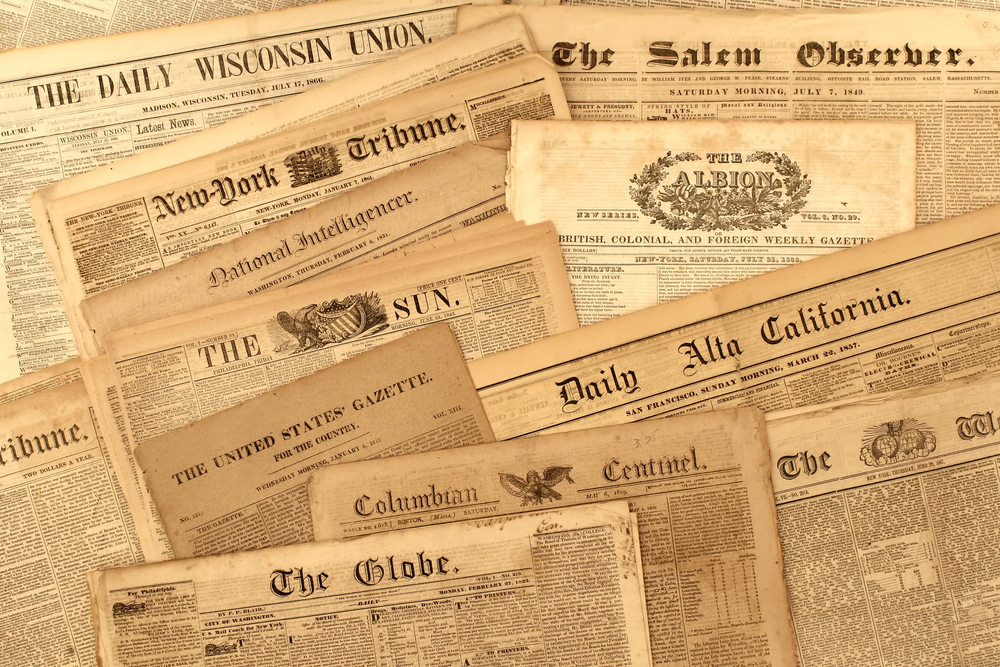
Photo credit: https://depositphotos.com/home.html
Society Pages, Columns, and Fraternal Organizations
As you scroll through digitized newspapers, headlines and obituaries might feel like the main event. Then a society column appears, bright with small-town detail and everyday personality. However, these old newspaper articles often capture what census records miss: who hosted a luncheon, which relatives traveled in for the weekend, how a celebration unfolded, and which names were in the room.
Meanwhile, community columns tend to reward patient readers. Local editors tracked club meetings, retirements, school graduations, and church happenings. Even families who stayed out of the spotlight still surface in the margins of a gardening club update, a Masonic lodge note, or a Fourth of July parade recap. Those small lines can clarify traditions, faith, friendships, and the places your relatives returned to again and again.
Historically, fraternal organizations shaped community life in ways that ripple through family history. Many papers recorded officer appointments, annual dances, fundraising drives, and volunteer committees tied to groups like the Odd Fellows, Knights of Columbus, and Eastern Star. In many cases, newspaper genealogy research turns these mentions into social context, showing who stood beside your relatives during hardship, celebration, and everyday seasons.
Society pages, community columns, and fraternal notes often read like signposts, each pointing toward a community that held your family’s story steady. For step-by-step strategies and search tips, visit our genealogy learning center to learn more.
Engagement, Wedding, and Anniversary Celebrations
A familiar scene often waits in the archives: handwritten names braided with joy in a yellowed engagement notice, or a black-and-white photo of a beaming couple beneath a headline like “Local Sweethearts Wed in Garden Ceremony.” Pausing over their faces can feel strangely intimate, even across decades. These moments, preserved in old newspaper articles, hold love, hope, and community pride in a way few records can match.
From there, the details start layering in. Elopements, lavish ceremonies, society-page recaps, and sweet descriptions of what the bride wore all bring dimension to the story. In many cases, newspaper genealogy research reveals the emotional thread too: the bright language in engagement notices, the steady devotion in anniversary write-ups, and the tenderness that shows up between the lines.
Just as important, those discoveries can offer a connection when family history feels incomplete. Marriage announcements that include guest lists, hometowns, and toasts can illuminate a parent’s early life or confirm long-held family lore. Meanwhile, anniversary blurbs often place couples inside a wider web of relatives and friends, helping scattered branches reconnect. To find these details, start with the basics and let the newspaper do the rest.

Photo credit: https://depositphotos.com/home.html
Birth Dates, Church, and Faith-Based News
Tracing an ancestor’s exact birth date or spiritual roots often leads beyond official records and into the pages of local newspapers. Birth announcements might share a newborn’s full name, parents, and residence. Church notices can mark christenings, confirmations, Bar and Bat Mitzvahs, or naming ceremonies, sometimes paired with a brief blessing or a quote from a proud relative. Together, these entries sketch the earliest chapters of a life within its cultural and spiritual setting.
Beyond births, digitized newspapers reflect the heartbeat of congregational life. Church columns regularly noted baptisms, first communions, youth choir performances, religious school graduations, and missionary send-offs. In many towns, prayer requests for an ill neighbor or thank-you notices after recoveries appeared alongside announcements of weddings and funerals.
As a result, faith-based news often becomes a stabilizing thread during periods of loss or distance. Memorial notices, anniversary remembrances, and funeral acknowledgments can confirm family connections, burial locations, and affiliations that anchor a person to a community. These brief paragraphs place names within a shared network of belief and support, showing how families marked grief, gratitude, and continuity across generations.
To explore these moments in greater depth, search birth records in newspapers to uncover announcements and religious notices that frame early life events within the faith traditions and communities.
Travel, Visitor, and Legal Notices Beyond Probate
Travel and visitor items can look ordinary at first glance, yet those slim columns carry movement and connection. A short note about someone arriving on the afternoon train, visiting family for the week, or returning home after a long absence can confirm migration patterns, reveal relationships, and explain why a family branch suddenly shifts to a new town.
Meanwhile, legal notices often hold quiet tension of their own. That’s certainly true for probate matters, yet newspapers also ran property transfers, land disputes, foreclosure notices, name changes, business dissolutions, and court summonses that trace decisions made under pressure. A land notice can pin an ancestor to an exact location, complete with neighbors’ names and a legal description that turns a vague place into a real address. Even a brief summons can surface occupations, residences, and conflicts that never made it into family stories.
As these fragments start to stack, a fuller narrative emerges. A journey becomes a pattern. A visitor notice becomes a reunion. A legal filing becomes the turning point that reshaped a household’s future. Old newspaper articles like these help close gaps, tracing separations, arrivals, and the choices that shaped identity across generations.
To follow these printed clues, browse newspapers by state and focus your search on the places your relatives passed, settled, or left behind.

Photo credit: https://depositphotos.com/home.html
School News and Academic Achievements
In old newspaper archives, everyday school stories often land with surprising force. For anyone tracing a family history, these entries can turn a familiar name into a young person with goals, talent, and a place in the community.
Often, the search begins with honor rolls, spelling bee winners, and graduation lists. Those “ordinary” mentions carry more weight than they appear to at first glance. A valedictorian announcement can hint at a family tradition of grit. A school play recap can reveal a grandparent’s flair for performance. Even a short line about perfect attendance can point to the values a household held close.
Digitized newspapers frequently captured the wider world of student life. Articles might highlight science fair champions, scholarship recipients, debate team victories, band concerts, or student council elections. Sports write-ups can add context through positions played, rival schools, and seasons that mattered. For relatives who attended segregated schools or colleges that later closed, these clippings may be among the few public records that still speak.
As those pieces start to gather, a younger chapter of your family story becomes easier to hold. Yearbook-style snapshots appear in print through club rosters, awards, and graduation speeches. When loss or distance leaves gaps in the past, school coverage can feel like an unexpected reunion that brings faces and personalities back into focus.
To explore these discoveries across decades and locations, search our newspaper archives and start with a surname, a town, and a school year, then follow the names that appear beside your relatives.
Court Proceedings and Criminal Cases
A courtroom story can feel magnetic on the page, with all the tension and consequence that comes with real lives on the line. When the names belong to people connected to your own family, those stakes land even harder.
Newspapers may reveal a surname that appears in a burglary trial, a civil dispute, or a witness list tied to a widely reported case. Sometimes digitized newspapers preserve the only public trace of relatives whose stories stayed quiet because of stigma or family silence. As you read, a fuller picture can emerge, shaped by struggle, resilience, and the complicated choices people made to survive their era.
Beyond crime coverage, court proceedings span probate battles, inheritance disputes, land ownership conflicts, divorce filings, and citizenship petitions. These reports often carry practical details that unlock research roadblocks, such as addresses, occupations, relationships, and timelines that connect scattered records. A single case can explain a long-running rift in a lineage, or clarify why a family suddenly moved, changed a name, or split households.
When urgency rises, court records found in newspaper archives can shift a family narrative quickly. Taken together, these articles remind readers that ancestors lived full lives, shaped by pressure, hope, and perseverance.
Sports Scores and Athletic Achievements
Few things feel as universally familiar as the thrill of a big game or the pride sparked by a local hero breaking a record. Those moments live in print, captured in box scores, recaps, and short write-ups that became the talk of the town.
For example, you may find a great-grandfather appears as the pitcher who carried his high school to victory. In others, a distant cousin shows up in the lineup for a regional track meet or a weekend baseball tournament. These old newspaper articles capture wins and losses, plus the arc around them, including injuries, comebacks, rivalries, and the kind of fleeting glory that still echoes through family stories.
Over time, sports sections can feel like stages for family legends. A quiet uncle emerges as a starting forward. Even brief mentions like these can bring a relative into sharper focus, showing who they were when the community watched and cheered.
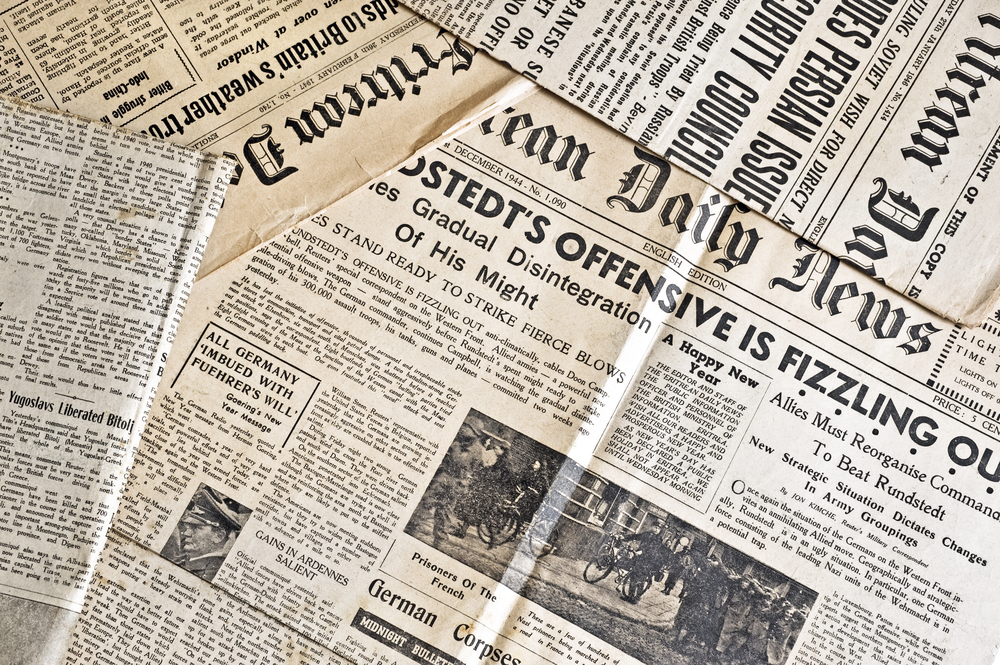
Photo credit: https://depositphotos.com/home.html
Passenger Lists and Arrival Notices
For anyone tracing family lines that crossed oceans, passenger lists and arrival notices tucked inside old newspaper articles can feel like revelations. These records offer proof of a journey, capturing hopeful arrivals through Ellis Island and other busy American ports.
Travel companions, shared surnames, and clustered hometowns can hint at who journeyed together and who stayed close after arrival. As you sift through digitized newspapers, each passenger list can read like an echo from the harbor, gathering families, friends, and strangers into the same moment of migration. Some notices even mention entire households traveling together or describe arrivals as “ill” or “in good spirits,” adding a human note to the record.
To interpret these lists, keep your search flexible and patient. Try alternate spellings, initials, and shortened first names, since transcription errors were common and names were often recorded quickly. When a match looks promising, confirm the details through age, origin, and the names listed nearby.
Community Service and Charity Work
Beyond headlines and political debates, old newspaper articles often turn their attention to everyday heroes. Community pages regularly highlighted volunteers who stitched their towns together through food drives, relief efforts, church fundraisers, and local clubs devoted to service. When you search newspaper archives, these stories can reveal relatives in their truest light, showing how they showed up for neighbors when life grew heavy.
During times of crisis, those mentions tend to multiply. For example, women’s auxiliary leagues, neighborhood organizations, and civic groups often mobilized quickly during floods, fires, and economic downturns, leaving a trail of names in civic notes, church bulletins, and letters to the editor. A relative might appear as a committee member collecting donations, organizing a benefit supper, or coordinating clothing drives for families who lost everything.
As these pieces come into focus, service becomes a kind of biography. A whispered family story about a “helpful aunt” gains context through a printed thank-you note. A “generous neighbor” turns out to have organized a relief committee or hosted fundraisers year after year.
Frequently Asked Questions About Hidden Gems in Historical Newspaper Databases and Archives
What is a hidden gem in a newspaper archive?
A hidden gem in a newspaper archive is an article or detail that goes beyond simple names and dates. It could be a long-lost wedding notice, a forgotten military mention, or a local story that brings a distant ancestor to vivid, personal life. Sometimes, the smallest clipping reshapes what you know about your roots. Digitized newspapers unlock these riches, allowing you to search deep into the past.
Can obituaries in newspapers provide unique clues?
Absolutely. Beyond listing relatives, many old obituaries mention maiden names, birthplaces, military service, clubs, and even causes of death. For those dealing with loss, these details connect you to a real person, not just a name in a record, and may solve brick-wall puzzles that other documents can’t address.
How can advertisements inform genealogy searches?
Advertisements reveal what people bought, where they worked, and how they built their businesses. An ancestor’s name in a shop announcement, lost & found ad, or classified job posting can reveal occupations, migrations, and economic status. Ads can even help you locate ancestral homes or trace small businesses through decades of newspaper genealogy.
How do reporting styles of the past affect research findings?
Older reporting favored narrative and local color over impartial fact. Early journalists wrote in a conversational, often opinionated style, weaving stories from their personal ties to the community. This means you’ll find intimate, unusual anecdotes, but also occasional bias or exaggeration. When you research with old newspaper articles, read between the lines and be open to hints that official records might not confirm.
How reliable are the facts published in early newspapers?
While newspapers offer an invaluable glimpse into your family’s world, not every fact is gospel. Reporters sometimes relied on hearsay, family memory, or gossip, especially in small towns. When accuracy matters, use information from digitized newspapers as a starting point, then cross-reference with government documents or family papers.
How can one find ethnic or foreign language newspapers in archives?
To uncover community or immigrant history, search for ethnic or foreign-language newspapers preserved in digital archives like GenealogyBank. Search tools let you filter by language or browse specialized collections. These papers often carried birth, marriage, and death notices unique to minority or immigrant groups.
How do you verify the accuracy of newspaper information?
Begin by comparing newspaper articles with official records, such as census data, vital statistics, and government registries. Look for consistency in facts like names, dates, and relationships. When inconsistencies appear, seek out multiple sources or neighboring articles for additional context.
Create a free account at GenealogyBank for 7 days to start your journey and discover the stories your ancestors left behind.
Note on the header image: a collection of newspaper articles.
