
 January 12, 2026
If you’ve ever traced your fingers over a faded photograph or wondered about the voice behind an old black-and-white portrait, family history already feels personal. Every clue tucked inside historical newspapers can illuminate a chapter of a life once lived. Across vintage newspapers, small details often reveal records that researchers overlook, only for them to later wish they’d found sooner.
For new and seasoned genealogists, newspaper archives hold deeper context than many people expect. Within more than 16,000 titles collected across the centuries, your ancestors’ stories wait in plain sight through GenealogyBank’s Historical Newspaper Archives online. Maybe it’s the announcement of a long-lost wedding. Maybe it’s a small-town sports article that reveals an ancestor’s hidden talent, or a business advertisement that carries the proof of your great-grandmother’s entrepreneurial streak.
Sometimes, the answers you seek, or even questions that need asking, are buried right there in plain sight. So, let’s uncover some types of records found in historical newspapers that you might have missed.
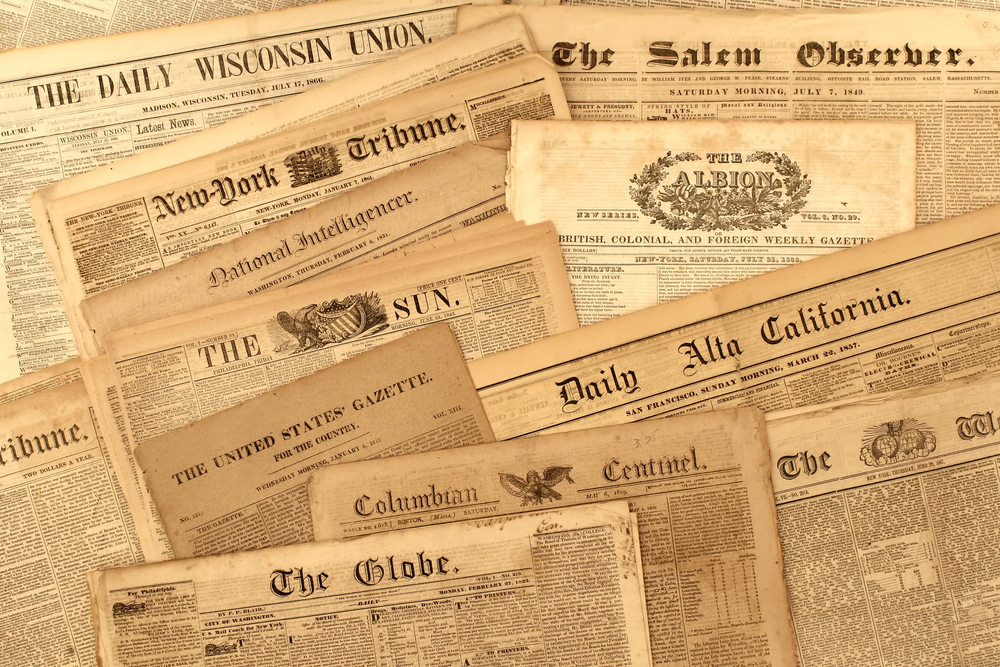
Photo credit: https://depositphotos.com/home.html
(1) Obituaries & Death Notices: The Heartbeat of Family Stories
If you’ve ever traced your lineage, you know the magnetic pull of a simple name in bold type. Newspaper obituaries do far more than record a passing. Within historical newspapers, they preserve time capsules of love, hardship, and triumph. These entries confirm dates and places while illuminating an entire life in just a few paragraphs.
In many cases, obituaries blend fact and feeling with remarkable care. Details long searched for can finally surface, from maiden names and the family homestead to siblings whose stories faded with time. A well-written obituary often carries warmth through surviving relatives, cherished occupations, military service, and ties to churches or civic groups. With those clues, an ancestor steps off the chart and back into the world as a teacher, a parent, or a dreamer who left a mark.
Death notices, although often brief, offer a whisper of farewell. Even then, a name and date can crack open a wall that has stood for generations. Distant cousins may appear in a single line, or a hometown connection can emerge through one small detail. For anyone searching for a lost branch of their family tree through newspaper archives online, these clippings can become the heartbeat guiding the next discovery. For deeper guidance and search tips, visit our genealogy learning center to start your search on your own terms.
(2) Birth Announcements That Mark New Beginnings
There’s something universally hopeful about birth announcements printed in vintage newspapers. These short entries carry more than a formal update, and for anyone building a family tree, they can feel like you’ve struck gold. In historical newspapers, these small columns capture the moment a life began, pairing names and dates with the joy of a family and the pride of a community.
Spotting a birth announcement means finding one of the earliest public records of an ancestor’s arrival. A new chapter opens for a family, and sometimes for a community that seemed to celebrate every milestone together. Many announcements include the child’s full name, birth date, and parents’ names, with occasional mentions of grandparents. The location often appears too, such as the hospital, town, or county where the birth took place. At times, a single line adds unforgettable context, such as a baby born during a blizzard or welcomed home by eager siblings.
From there, those details can shape a richer family narrative. Birth announcements hint at birth order, siblings, and the world your relatives entered. In old newspaper articles, that context often explains the “why” behind later moves, family size, or naming traditions. For a focused way to keep searching, check our birth records in newspapers search feature, exclusive to our records.
(3) Engagement, Marriage, and Divorce Notices to Trace Love Lines
Love stories shape family trees as surely as they shape novels. Within the columns of historical newspapers, marriage announcements often glow with anticipation, wedding write-ups brim with family detail, and divorce notices reflect turning points that reshaped lives. Each entry captures a chapter of your ancestors’ story that may never appear in a census record.
Engagement notices reveal names of both families, along with hints about occupations, hometown ties, and social traditions. Spotting a maiden name beside a fiancé can connect branches of a family tree that once felt separate. From there, marriage announcements can open the door to deeper discovery. Beyond the wedding date and location, these write-ups sometimes list parents, siblings, attendees, and members of the wedding party. Lost maiden names may resurface. Relationships that later become key clues can appear in a single paragraph.
In old newspaper articles, those details often carry the “who” behind the milestone, giving your research both accuracy and heart. At times, divorce notices add a necessary layer of truth to a family timeline. These notices can point to name changes, relocations, and the close of one chapter before another began. When an ancestor seems to vanish after a certain year, divorce records can help explain a new surname, a fresh address, or a move to a different town.

Photo credit: https://depositphotos.com/home.html
(4) Probate & Estate Notices for Hidden Heirs and Assets
If you’ve ever browsed vintage newspapers, you’ve probably seen probate and estate notices between local headlines and classified ads. Inside those legal columns, inheritance stories often surface, along with lost properties and relatives whose names never made it into family lore.
Probate notices serve as public declarations tied to a death and the administration of an estate. These notices often list next of kin, spouse names, last known addresses, and the executors or administrators responsible for final decisions. When a relative seems to vanish after a certain date, an estate notice can reopen the trail with a location, a family connection, or a name that finally fits.
At times, these notices reveal assets with surprising clarity, from a parcel of farmland outside town to a business interest or an unpaid debt. Reading carefully can also uncover family tension and reconciliation, along with the shifting currents of fortune. On a practical level, the claims documentation matters, including who appeared, who contested, and who signed affidavits. Those details often bring hidden relationships into focus.
In old newspaper articles, probate language can feel formal, yet the story underneath remains deeply human. Transitions, endings, and fresh beginnings often unfold in these notices, sometimes pointing to long-awaited reunions or branches of the family tree that deserve a closer look. For the next step in your genealogy research, search our newspaper archives.
(5) Immigration & Passenger Arrivals in Shipping News
Across historical newspapers, editors carefully recorded the comings and goings of ships, often publishing passenger lists alongside each vessel’s origin, cargo, and even the weather at arrival.
For generations who left home behind, these columns hold a snapshot of hope, anxiety, and fresh beginnings. When shipping news is scanned, the search becomes a journey in motion, not a single name on a page. Maybe you’ll find your great-grandmother listed among dozens of weary travelers, or spot a family arrival with notations of profession, hometown, or family groupings.
In old newspaper articles, shipping news can break through missing paperwork and silent gaps, spelling out arrival dates and ports of departure with striking clarity. At times, the first hint of where your family’s American story began appears in one simple line. For a wider view across regions and port cities, browse newspapers by state with GenealogyBank.
(6) Legal Advertisements That Pinpoint Land and Business Deals
You may think of historical newspapers as mainly chronicling the big headlines of the day, but buried in those faded columns are legal advertisements, mini time capsules that expose the nuts and bolts of daily life. These notices document land transfers, business partnerships, estate sales, and the creation or closure of local companies. For anyone tracing entrepreneurial relatives or trying to map family moves and fortunes, legal columns can uncover stories that otherwise would never surface.
In many cases, probate announcements list an estate’s executors. Land deeds can show exactly when relatives bought or lost a farm. Court orders may reveal debt settlements, public auctions, or business disputes that shaped a family’s next chapter. Across old newspaper articles, these records make distant ancestors feel tangible through addresses, signatures, and the names of neighbors who served as witnesses.
From there, focus on columns labeled “Legal Notices” or “Public Advertisements.” Dense legal language often carries the details that matter, including property locations, business associates, and relatives connected to the transaction. At times, a single paragraph about a land sale or bankruptcy explains why a family moved, how fortunes shifted, or which business carried a name still recognized today.

Photo credit: https://depositphotos.com/home.html
(7) Military Service & Casualty Lists Honoring Those Who Served
Opening a vintage newspaper can feel like lifting the dust cloth from a family heirloom. A solemn tenderness often comes with tracing the footprints of those who served. These records hold more than names, capturing fragments of courage, grit, and sacrifice. World War enlistments, pension rosters, and casualty lists can mark the moment a hometown learned who was returning home.
In many cases, details surface in unexpected places. Early historical newspapers sometimes published letters from soldiers in their own words or rosters sent back from the front. Later community papers listed promoted officers, drafted men, and those missing in action or killed. Each name carried an anxious household behind it, and each date marked either a shattering telegram or a hard-won reunion.
For deeper context, look for announcements about parades, memorial services, and reunion events. Those snippets can reveal connections missing from official records, from siblings who served together to childhood friends who enlisted on the same day.
(8) Crime Reports and Court Proceedings Offering Clues
Crimes, big and small, leave prints in the columns of vintage newspapers, and those prints can reach into family history. Ancestors may appear in crime reports, court notices, or trial summaries, and the details often add context and complexity to a family narrative.
In many cases, a single case points to everyday life. A theft involving a missing trunk might include addresses and occupations. A lawsuit over farmland boundaries can name relatives, neighbors, and witnesses. Trial summaries sometimes reveal personal moments, from tragedies endured to hard-won victories, along with the social norms that shaped how communities responded.
When you dig into these records, don’t overlook the emotions behind each clipping. Legal trouble isn’t just a footnote, but rather it’s a turning point, marking resilience, hardship, or the hope of redemption.
(9) School & Academic Honor Rolls Celebrating Achievements
When you dive into vintage newspapers, tucked between community updates and local news, you’ll often stumble upon school and academic honor rolls. These entries become proud announcements of achievement, preserved in ink across decades. For younger readers looking for signs of early ambition, and for families honoring loved ones, these records can feel unexpectedly powerful.
In many cases, an honor roll offers proof of effort and promise. A great-grandmother’s name on an 1897 list can spotlight a side of her life few relatives ever knew. Academic mentions may include top grades, spelling bee wins, perfect attendance, and debate club awards. Unlike formal graduation records, these clippings capture everyday milestones that shaped identity.
From there, try searching local and school names alongside “honor roll” or “achievement” in historical newspapers. Even when a name seems unfamiliar at first, one listing can lead to classmates, siblings, and community ties that broaden the family story.
(10) Weather and Disaster Coverage Contextualizing Hard Times
Tracing a family’s journey can turn quiet for a few years, until a newspaper clipping reveals a devastating flood or a record-breaking blizzard that changed everything. Vintage newspapers capture more than daily updates. Across historical newspapers, weather and disaster coverage often preserves the lived experiences behind the dates and names on a family tree.
In many cases, columns detailing fires, hurricanes, and epidemics hold stories of resilience and heartbreak. Towns may be described as marooned by snow. Neighbors might be listed as rallying during outbreaks, or entire communities often appear rebuilding after tragedy. These reports rarely read like simple incident logs.
Instead, they offer immediate portraits of people enduring hard times together. When an ancestor’s name appears among relief efforts, or is listed as a survivor or victim, the headlines shift from distant history to something deeply personal.
By seeking out these stories in newspaper archives, you gain more than facts: you claim the context and humanity that shaped your family’s hardest days, and perhaps, their greatest displays of courage.
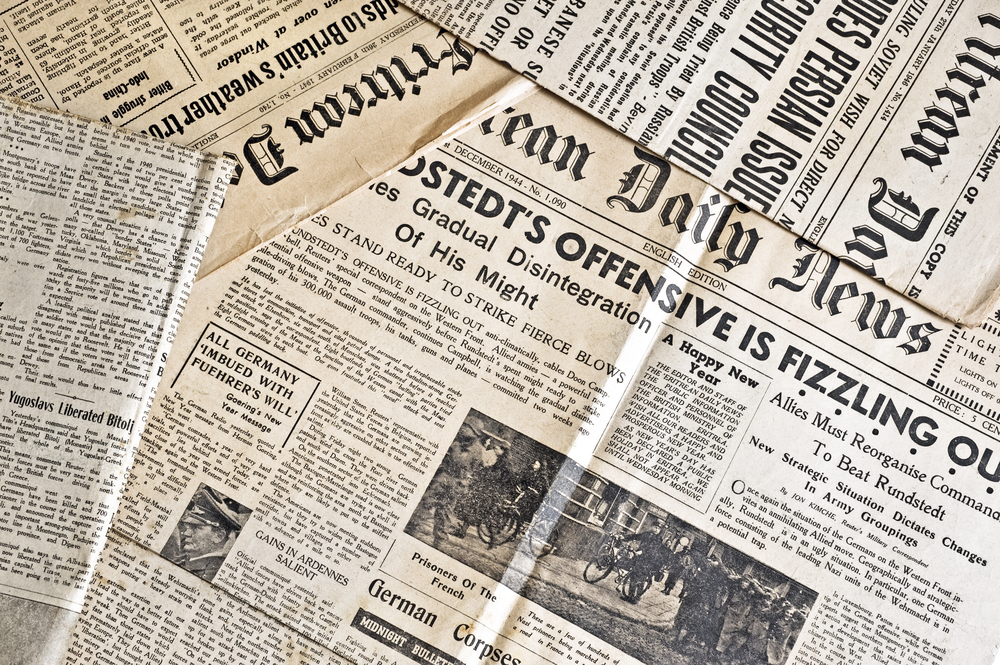
Photo credit: https://depositphotos.com/home.html
Frequently Asked Questions About Unlocking Your Family Story in Historical Newspapers
What kind of marriage records are often published in newspapers?
Newspapers have long served as the community’s bulletin board. You’ll find marriage records reported as formal wedding announcements detailing the couple, their families, and even where the ceremony was held. Look for “engagements,” “weddings,” and “marriage licenses issued” sections, as these stories often include names of relatives, wedding guests, and sometimes photos.
How do I find anniversary announcements in old newspapers?
To track down anniversary announcements, try searching for names along with milestone numbers, like “25th” or “golden anniversary.” Newspapers frequently highlighted couples who made it to significant anniversaries, celebrating their journey and often listing children, grandchildren, and even telling how they first met.
How were accidents, fires, and disasters reported in the past?
In earlier times, local newspapers were the main source for breaking news – tragic accidents, fires, and disasters included. These reports rarely held back on detail, providing not just names but also circumstances, sometimes interviews with witnesses, and follow-up stories on survivors. If your research is at a standstill, these somber stories may be hiding vital clues about turning points in your family’s history.
Are criminal trials and legal cases documented in historical newspapers?
Absolutely. Vintage newspapers featured criminal trials, civil cases, and even small-town disputes, often in gripping detail. Articles frequently named all involved parties, including plaintiffs, defendants, witnesses, and attorneys, along with case backgrounds, verdicts, and sometimes personal commentary from community leaders.
What sports results and athletic event coverage can I find?
Sports have always been newsworthy. From high school games to regional tournaments, box scores, rosters, and highlight write-ups were common. These clippings don’t just showcase athletic prowess; they reveal former team members, coaches, and community spirit. Maybe you’ll spot a family member’s name among local heroes.
Can I see immigrant or passenger arrival lists published?
Yes, in port cities, newspapers often published lists of newly arrived immigrants and passengers, alongside ship names and ports of origin. Some editors added extra notes for well-known families or groups. If your ancestors crossed an ocean, these lists can provide the very first glimpse of their American chapter.
How do newspapers handle charitable fundraisers and benefit events?
Community generosity was front-page news. Newspapers announced fundraisers, benefits for families in crisis, church socials, and war bond drives. Reports typically name organizers, beneficiaries, and donors, sometimes even printing the amounts contributed. These articles recognize everyday heroes and may reveal personal connections that official records miss.
Create a free account at GenealogyBank for 7 days to start your journey and discover the stories your ancestors left behind.
Note on the header image: a stack of newspapers. Credit: https://depositphotos.com/home.html
