
 July 25, 2025
How Genealogy Records Can Reveal Your Roots – No DNA Test Required
Many people are curious about their ethnic heritage as a way to connect more deeply with their origins. Understanding your ancestry can uncover where your family came from, how they immigrated, and what traditions, languages, or communities shaped their journey.
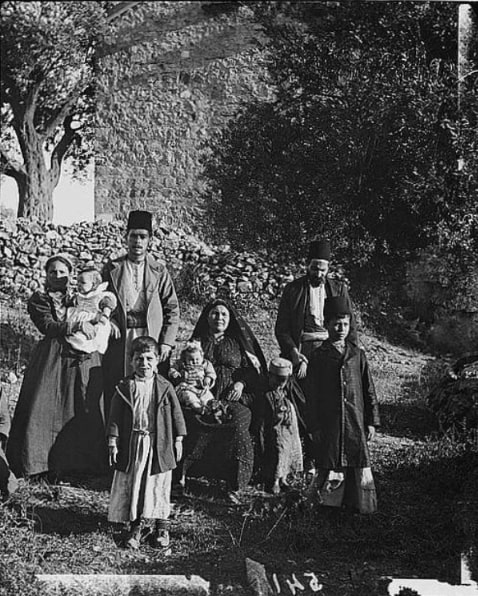
While DNA tests are one way to explore your roots, there’s another powerful – and often more detailed – approach: historical records. Using newspaper archives, immigration records, census data, and more, you can build an evidence-based picture of your family’s past.
GenealogyBank gives you access to centuries of authentic documents, helping you uncover the story of your heritage – no swab required.
Ethnicity Isn’t Just DNA, It’s History
Ethnicity is a blend of your family’s geographic origin, cultural background, language, and tradition. While DNA can hint at where your ancestors came from genetically, genealogy records show how they lived, where they moved, whom they married, and how they identified themselves.
Understanding your ethnicity through records allows you to:
- Trace surnames and lineages to specific regions or ethnic groups
- Identify immigration and naturalization patterns
- Explore religious or cultural affiliations
- Uncover social and occupational roles tied to ethnic identity
- Link oral histories and family stories with documented evidence
Genealogy vs. DNA: What’s the Difference?
DNA ethnicity estimates offer percentages, like “25% Irish,” “12% Scandinavian,” and so on. These results are based on genetic similarities to reference populations, which may not always reflect your actual family tree.
On the other hand, genealogy research gives you more detailed information on who, where, and when. You can find out:
- Who your ancestors were
- Where they lived and moved
- When key life events happened
- What records say about their nationality or ethnicity
If you combine DNA and historical records, you can get a full-circle view of your history. But even without a DNA test, you can learn a great deal about your ethnicity through accurate documentation.
Discover Ethnic Origins in Historical Records
GenealogyBank gives you access to over 330 years of digitized U.S. newspapers and historical documents, which can uncover ethnic details such as:
- Birth and Marriage Announcements
These often list ethnic communities, parental origins, or religious affiliations.
- Obituaries and Death Notices
Many include biographical information such as “born in Germany,” “member of the Irish-American club,” or “of Polish descent.”
- Immigration and Naturalization Records
These help identify ancestral homelands and ethnic backgrounds.
- Census and Church Records
Many early censuses and parish records recorded race, nationality, or spoken language.
- Newspaper Articles
You’ll find references to ethnic organizations, cultural festivals, and community news that indicate how families identified themselves.
With the right paper trail, you can uncover your heritage, including names, dates, and beyond.
What Are Founder Populations and Why Do They Matter?
A founder population is a group of individuals who resided in a given area for numerous generations, leaving behind distinct cultural and genetic characteristics. These populations can assist genealogists and scientists in learning about ethnic origins.
For instance:
- The Ashkenazi Jewish population has unique surnames and record-keeping practices
- Scandinavian groups left extensive Lutheran church records
- Italian and Greek immigrants tended to settle in clustered neighborhoods, often documented in local newspapers
- African American lineages can link to Freedmen’s Bureau records and 19th-century newspapers
These groups left abundant documentation, enabling you to trace not only individuals, but the ethnic groups they were a part of.
Who Can Benefit from Ethnicity Research?
Knowing your ethnicity can help with:
- Constructing a family tree with cultural context
- Explaining or confirming DNA test results
- Academic or heritage research
- Teaching children about their heritage
- Honoring ancestors and maintaining traditions
Everyone should know where they are from and how the lives of their ancestors assisted in forming their own.
Go Beyond Estimates, Discover the Full Story
Ethnicity is more than numbers or percentages; it’s people, movement, language, and resilience. Our data archives help you discover:
- Villages, towns, and cities your family came from
- Cultural organizations they joined
- Names they passed down through generations
- Community ties that shaped their identities
And best of all, every discovery is backed by real, verifiable records.
Start Exploring Your Ethnic Roots Today
You don’t need a DNA kit to understand your ancestry. Our rich archive of historical documents can help you begin answering your questions about your ethnicity with depth, clarity, and confidence.
Trace Your Ethnic Heritage with Authentic Historical Records!
Want to explore your family’s cultural roots without any swabs? Start now by creating your free account at GenealogyBank for 7 days to find your ethnicity with evidence and verifiable records that trace your roots, not just percentages.
Note on the header image: Italian women making pasta. Credit: https://depositphotos.com/home.html
