
 September 24, 2026
Every family story has a missing chapter.
A grandparent’s childhood memory, a relative’s account of a life-changing move, or a forgotten family tradition can disappear if it is never recorded. Long before records were digitized or photographs were stored online, families passed their histories from one generation to the next through conversation. Those personal stories often contain the details that bring ancestors to life in ways official documents cannot.

Photo credit: https://depositphotos.com/home.html
Genealogy research becomes more meaningful when names, dates, and places are connected to real experiences. GenealogyBank helps family historians uncover those connections through billions of historical records, newspapers, obituaries, and other trusted sources that provide valuable context for family discoveries. As a division of NewsBank, Inc., GenealogyBank has helped researchers explore family stories through reliable historical information spanning more than three centuries.
This guide explains how to prepare for family interviews, ask thoughtful questions, preserve meaningful memories, and turn personal recollections into research opportunities. By combining conversations with documented evidence, you can build a richer understanding of your family’s past and help ensure those stories endure for future generations.
What Genealogy Interview Questions Reveal About Ancestors
Meaningful conversations often uncover details that records alone cannot provide. Open-ended prompts can reveal childhood experiences, family traditions, personal values, and relationships that rarely appear in official records. These insights help transform a collection of names and dates into a richer understanding of the people who shaped your family’s story.
Personal memories also help researchers identify new leads for further investigation. When combined with historical context, information gathered through interviews supports a deeper understanding of family connections. A single recollection may point to locations, events, or relatives that deserve additional research.

How to Prepare Before Sitting Down with a Relative
A little preparation can make the difference between a scattered conversation and a meaningful exchange. Taking time to organize your goals, gather background information, and plan your approach can help preserve more accurate recollections. Before beginning the conversation, focus on creating a comfortable environment that encourages storytelling:
Interviewing Elderly Relatives
Older family members often hold firsthand knowledge that cannot be found elsewhere. Short, focused conversations are usually more effective than lengthy sessions because fatigue can affect memory retrieval. Choosing a quiet setting and allowing extra time for reflection can help create a more productive experience.
Creating a Flexible Conversation Guide
A simple outline helps keep the discussion organized while still allowing room for unexpected stories. Unexpected stories often emerge naturally when conversations feel relaxed rather than scripted. Preparing broad topic areas instead of rigid questions can lead to richer and more authentic responses.

Why Family Oral History Genealogy Matters Beyond Names and Dates
Records can confirm that an event happened, but personal accounts often explain why it mattered. Stories passed through generations often preserve context that official documents never captured. A relative’s description of a family business, military service, migration, or community involvement can add meaning to information found in historical records.
These personal perspectives help researchers understand the experiences behind documented facts. Memories become even more valuable when they are compared with information available through historical newspapers, which can provide additional details about people, places, and events. Combining recollections with documented sources creates a more complete picture of family history.
Explore GenealogyBank Resources to Strengthen Family Research
Conversations often reveal important clues, but interviews become more valuable when paired with documented evidence. Researchers can use GenealogyBank’s resources to learn effective research strategies and uncover new ways to investigate family connections.
- GenealogyBank Learning Center: Educational resources designed to help family historians improve research skills and navigate historical records more effectively.
- Obituaries and Death Records: A collection of obituary records that can help verify relationships, identify relatives, and uncover important life events.
- Historical Newspaper Archives: Access to millions of newspaper records that provide context, stories, and details that may not appear in traditional genealogical documents.
Using multiple record types often reveals overlooked family connections. Combining interview findings with trusted historical sources can help create a more complete and accurate family narrative.
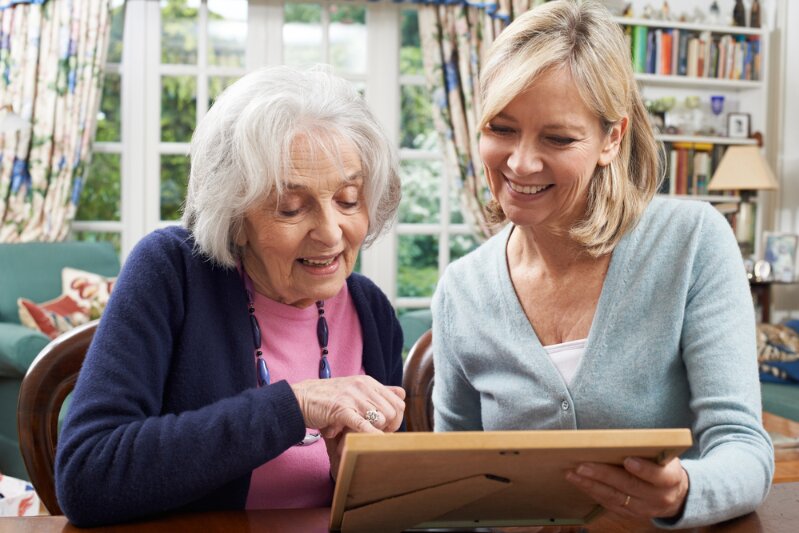
Photo credit: https://depositphotos.com/home.html
How to Turn Interview Notes Into Research Leads
Information gathered during conversations becomes more valuable when organized into actionable research paths. Organized information is easier to verify and compare across multiple sources. A structured approach can help transform personal recollections into meaningful discoveries:
Organizing Names, Places, and Dates
Grouping details into categories makes patterns become easier to identify over time. Creating timelines, location lists, and relationship charts can help researchers connect information and expand findings through tools that help you Discover Your Family Tree. Organized notes also make future verification more efficient.
Verifying Stories with Historical Records
Personal recollections provide valuable clues, but supporting documentation helps strengthen research accuracy. Comparing memories with newspapers, public records, and other historical sources allows researchers to evaluate details more carefully. Corroborating evidence strengthens research confidence while helping separate family tradition from documented fact.

Final Thoughts
Every conversation with a relative has the potential to preserve information that may not exist anywhere else. Taking time to record memories, verify details, and organize findings can help future generations better understand the people and experiences that shaped their family story.
One of the most valuable family history interview tips is to focus on listening rather than rushing through a list of questions. Meaningful stories often emerge when relatives feel comfortable sharing memories in their own way. By pairing personal recollections with trusted historical records, you can create a richer and more enduring family history because every life deserves to be remembered.
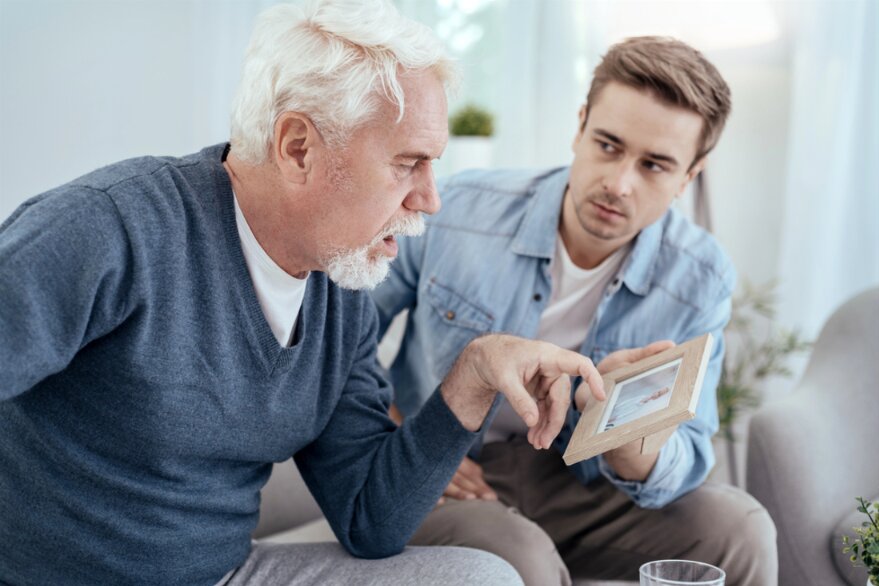
Photo credit: https://depositphotos.com/home.html
Frequently Asked Questions About How to Interview Family Members for Genealogy: Questions That Uncover Hidden History
How long should a family interview last?
A family interview should typically last between 30 and 90 minutes. Shorter sessions often help maintain focus and allow relatives to share memories without feeling overwhelmed.
Should I record conversations?
Yes. Recording conversations preserves details, tone, and personal expressions that handwritten notes may miss. Always ask for permission before recording.
What should I do if a relative goes off topic?
Allow some flexibility. Unexpected stories often contain valuable details that can lead to new research opportunities or family connections.
How can I make a relative feel comfortable during an interview?
Choose a familiar setting, avoid interruptions, and allow the conversation to flow naturally. A relaxed environment often encourages more detailed storytelling.
Is it better to interview one person or several relatives together?
Both approaches can be useful. Individual conversations often provide deeper personal memories, while group discussions can trigger additional recollections and shared stories.
What if relatives disagree about a family story?
Document each version and look for supporting evidence in historical records. Different perspectives can provide valuable context about past events.
How often should I conduct follow-up interviews?
Follow-up conversations are helpful whenever new information emerges. Additional sessions often uncover details that were forgotten during earlier discussions.
Can photographs help during family interviews?
Yes. Old photographs, letters, certificates, and keepsakes can trigger memories and encourage relatives to share stories they might not otherwise recall.
What information should I organize after an interview?
Organize names, dates, locations, relationships, and significant events. Keeping information structured makes future research more efficient.
What should I do if I uncover unexpected family information?
Approach sensitive discoveries respectfully and verify facts before drawing conclusions. Careful documentation helps preserve accuracy while respecting family relationships.
Create a free account at GenealogyBank for 7 days to start your journey and discover the stories your ancestors left behind.
Note on the header image: looking at a photo album with an older female relative. Credit: https://depositphotos.com/home.html
