
 October 27, 2025
For generations, the name Elizabeth has flowed through history like a steady current. You’ll see the name stitched into birth announcements and wedding invitations, preserved in old newspapers, and appearing in the headlines about queens and everyday heroes.
At GenealogyBank, we know searching for a name’s meaning and history involves peeling back layers of tradition, honoring relatives, and celebrating the threads that connect to your family’s story.

As we explore the Elizabeth name meaning, we’ll reflect on its origins, symbolism, and the legacies tied to it. Each story connected to the name invites you to celebrate the lives it has shaped, perhaps even your own. While building a family tree or seeking deeper insight into your identity, remember this truth: every Elizabeth leaves a mark worth remembering.
Elizabeth in the Bible: Faith, Family, and Lasting Devotion
Elizabeth in the Bible shows how the meaning of her name, “God is my oath,” comes to life through faith, family, and devotion. Her presence in scripture reflects resilience during hardship, joy after years of waiting, and a legacy that continues to shape spiritual traditions today. For readers tracing family roots or reflecting on the significance of names, Elizabeth’s biblical role provides both inspiration and a reminder that every story carries depth.
Elizabeth as the Mother of John the Baptist
Elizabeth holds a place of honor in biblical history, symbolizing faith and resilience. In the Gospel of Luke, Elizabeth is introduced as the mother of John the Baptist and a relative of the Virgin Mary. Her story begins with years of longing for a child, a prayer answered when an angel tells her husband, Zechariah, that their waiting has ended. Elizabeth responds with humility and gratitude, declaring, “The Lord has done this for me.”
Her name, derived from the Hebrew Elisheva, meaning “God is my oath,” deepens the significance of her role. By welcoming John, the prophet who would prepare the way for Jesus, Elizabeth embodies devotion and quiet strength. Her faith, patience, and compassion continue to inspire generations who look to her as a model of endurance and grace.
Elizabeth’s Place in Christian and Islamic Tradition
Elizabeth is also remembered as a descendant of Aaron, the high priest and brother of Moses. This connection highlights her role as both a righteous woman and the mother of a prophet. Her story is revered in Christian and Islamic traditions, where she is honored for her steadfast belief and dedication to family.
Additionally, Elizabeth’s legacy extends beyond scripture into art and cultural memory. Painters such as Peter Paul Rubens, Nicolas Poussin, and Elisabetta Sirani depicted her in scenes of the Holy Family, often shown alongside Zechariah, Mary, and the infant Jesus. These works emphasize her place within a lineage of devotion, visually capturing the strength and tenderness associated with her name.
Royal Legacy: Queens Elizabeth I and II
The name Elizabeth echoes across centuries of royal history, carried by queens whose reigns reshaped nations and left legacies of strength and devotion. The lives of these monarchs show how names can embody resilience, duty, and grace in both public triumphs and private trials.
Queen Elizabeth I: The Virgin Queen and the Elizabethan Era
Elizabeth I became queen in 1558 at the age of 25, stepping into a realm unsettled by political and religious conflict. The daughter of Henry VIII and Anne Boleyn, she rose from a childhood marked by uncertainty to become the last monarch of the Tudor dynasty.
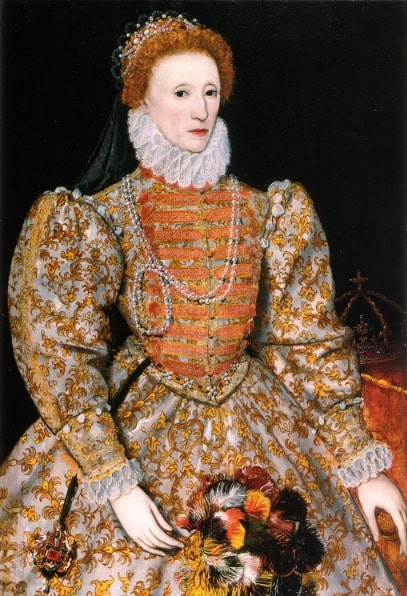
Her reign, known as the Elizabethan period, flourished with artistic achievement, exploration, and decisive leadership. Tutors at Hatfield had prepared her well, guiding her through humanist scholarship and multiple languages, including French, Italian, Spanish, Latin, and Flemish. That education strengthened her ability to rule in a time when female monarchs were often underestimated.
Elizabeth I never married, instead declaring her loyalty to England itself. For generations, her choice and her reign have made her a symbol of independence, vision, and steadfast devotion, qualities that echo the meaning of her name.
Queen Elizabeth II: Duty and Steadfast Perseverance
Elizabeth II was born in 1926 as the first child of the Duke and Duchess of York; her father later became King George VI. From her earliest years, her life reflected preparation for service. She studied constitutional history, law, and religion under the guidance of the Archbishop of Canterbury and learned French from governesses who shaped her into a multilingual, thoughtful leader.
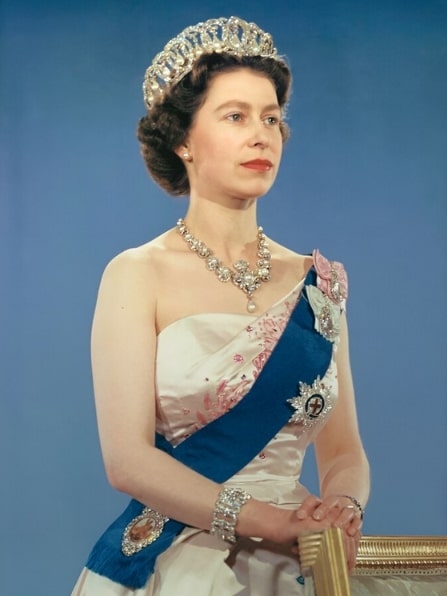
During the Second World War, Elizabeth spent much of her youth at Windsor Castle with her sister Margaret, gaining firsthand experience of national sacrifice and resilience. That formative period instilled a sense of duty that defined her record-breaking reign, which lasted more than 70 years. For millions, Elizabeth II represented constancy through decades of rapid change. Her calm perseverance and commitment to service gave new depth to the meaning of the name Elizabeth, embodying devotion, faith, and responsibility.
Popular Elizabeths in History, Literature, and Pop Culture
The name Elizabeth carries a richness that appears across novels, films, and cultural history. Each well-known Elizabeth has shaped the way we think about strength, elegance, and loyalty, weaving new stories into the legacy of a name already steeped in resilience and grace.
Elizabeth Bennet in ‘Pride and Prejudice’
Elizabeth Bennet remains one of literature’s most admired heroines. In Pride and Prejudice, Jane Austen crafted her as witty, outspoken, and unwilling to settle for a loveless marriage, even in a society that prized status and wealth over happiness. Her sharp observations and moral clarity make her a figure who continues to resonate with readers two centuries later.

However, what gives Elizabeth Bennet her enduring power is the balance of independence and compassion. She challenges the expectations placed upon her, yet she does so with kindness and conviction. Through her character, the name Elizabeth became linked with a blend of intellect, honesty, and courage to follow one’s heart.
Elizabeth Taylor on the Screen
Elizabeth Taylor’s first and last names became synonymous with Hollywood glamour and perseverance.

She began acting as a child and grew into one of the most recognized stars of the twentieth century, remembered for roles in films like Cleopatra, Cat on a Hot Tin Roof, and Who’s Afraid of Virginia Woolf? Beyond her artistry, Taylor became an influential humanitarian, raising awareness and funds for AIDS research at a time when the subject was ignored.
Elizabeth Swann in ‘Pirates of the Caribbean’
Elizabeth Swann introduced a fresh take on the name in modern cinema. First appearing as the governor’s daughter in Pirates of the Caribbean: The Curse of the Black Pearl, she quickly defied expectations by taking command of her own destiny. Across the film series, she evolves from a noblewoman into a skilled leader who earns the title of Pirate King. Her story highlights adaptability and boldness, as audiences connected with her courage, loyalty to her friends, and ability to thrive in uncertain waters.
Everyday Elizabeths in Family Stories
The famous Elizabeths of history and culture often remind us of someone closer to home. Many families have their own Elizabeth, whose presence shaped traditions, provided stability, or offered wisdom during difficult times. These personal stories add dimension to the name, showing that strength, loyalty, and compassion live not only in novels and films but also in the lived experiences of loved ones.
Final Thoughts
Uncovering the Elizabeth name meaning invites you into a tapestry woven from centuries of grace, devotion, and enduring beauty, qualities that may echo through your family’s history. Perhaps you trace your lineage to an Elizabeth whose courage or kindness shaped generations, or maybe you’re searching for a sense of identity by exploring this classic name. Names, after all, hold memories, and they tether us to those who came before and inspire the legacies yet to be written.
At GenealogyBank, we believe every name deserves to be spoken, every life remembered. The journey to understand the meaning behind Elizabeth, or any name in your family tree, can reveal etymology and connect you to the lived experiences, triumphs, and even heartbreaks of your ancestors. With billions of trusted records spanning over 330 years, our archives exist so that you can celebrate, mourn, and rediscover all the chapters in your family narrative.
Create a free account at GenealogyBank for 7 days to start your journey and discover the stories your ancestors left behind.
Note on the header image: family photos and research material. Credit: https://depositphotos.com/home.html
Frequently Asked Questions About the Elizabeth Name Meaning
What does the name Elizabeth mean in Hebrew?
Elizabeth comes from the Hebrew name Elisheba (אֱלִישֶׁבַע), meaning “God is my oath” or “pledged to God.” This powerful meaning has contributed to Elizabeth’s enduring appeal through centuries and across cultures, serving as a touchstone for grace, faith, and devotion.
What are some variations of the name Elizabeth?
The beauty of the name Elizabeth is how it blossoms into diverse forms in languages and families around the world. Some beloved variations include Eliza, Elise, Elisa, Isabel, Isabella, Lisbeth, Bettina, and Lillian. You’ll also find creative nicknames like Liz, Beth, Ellie, and Libby in both formal records and personal stories.
What qualities are associated with the name Elizabeth?
People named Elizabeth are often seen as kind, devoted, and trustworthy, embodying elegance, wisdom, and inner strength. In genealogy, you may notice how often the name appears alongside stories of resilience and grace, whether written in faded letters or recorded in historical newspapers.
What is the historical importance of the name Elizabeth?
From royalty to revolutionaries, Elizabeth has left a bold mark on history. Consider Queens Elizabeth I and II of England, whose reigns spanned pivotal moments for their nation. The name appears in birth and marriage records, government documents, and newspapers dating back hundreds of years, making it an anchor point for family historians seeking connections across generations.
Are there literary characters named Elizabeth?
Absolutely. One of the most celebrated is Elizabeth Bennet from Jane Austen’s Pride and Prejudice – a character famed for her intelligence and independence. From the pages of novels to headlines in historical newspapers, Elizabeth continues to inspire readers and connect us to stories of determination and heart.
What are some common middle names for Elizabeth?
Over the years, Elizabeth has paired gracefully with a range of middle names. Classic choices include Ann, Grace, Marie, Jane, Rose, and Claire. If you’re searching archives for a relative named Elizabeth, these combinations may help narrow down your results.
How has the popularity of Elizabeth changed over time?
Elizabeth has been a perennial favorite, consistently ranking among the most popular girls’ names for centuries. Whether flourishing during royal reigns or topping baby name charts in modern America, its popularity has stood the test of time. GenealogyBank’s historical newspapers can reveal these trends, whether you’re examining colonial records or modern announcements.
Are there masculine equivalents of Elizabeth?
Yes, while less common, masculine forms like Elis or Elias share the same Hebrew roots. Names like Elisha have also been adopted as masculine versions. If you’re tracing your family lineage, noticing these subtle changes across generations and translations can open new doors as you uncover your family story.
Related Articles:
- James Name Meaning: Traits, History, And Popularity Explained
- Michael Name Meaning: Archangel Origins and Leadership Traits
- Elias Name Meaning: Heritage, Symbolism, and Character Traits
- Ezra Name Meaning: Strength, Tradition, and Modern Appeal
- Silas Name Meaning: Biblical Roots and Modern Relevance
- John Name Meaning: Simplicity, Strength, and Classic Appeal
Sources:
