
 September 14, 2026
Introduction: In this article, Gena Philibert-Ortega gives advice for recording family events as they happen rather than later. Gena is a genealogist and author of the book “From the Family Kitchen.”
Genealogy is the act of tracing your family back generation by generation. In working on our ancestral research, we sometimes fail to update our records with current family events. It’s a mistake to only add events from the far away past to your family tree. Instead, consider yourself the family historian that tracks events happening in the past but also in the modern day.
What has happened to your family so far in 2026? If you’re like me, you may have had a few deaths and other events that should be added to your genealogical research. Now’s the time to update your family tree before life gets in the way and you forget.
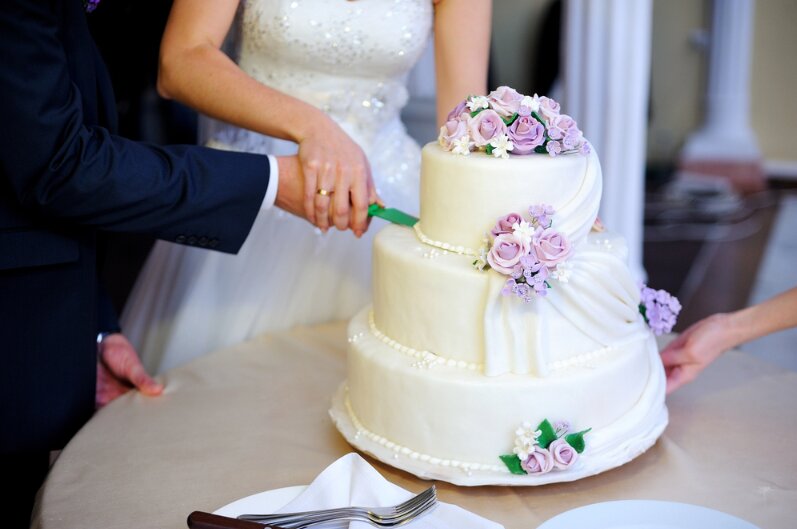
Photo credit: https://depositphotos.com/home.html
First, What to Update
There are family events that should be added to your family tree as they happen. These include
- Births
- Adoptions
- Deaths
- Burials
- Marriages
- Divorces
- Name Changes
Why am I singling out these events? I’m looking at events that change your family tree in terms of additions (adoption, birth, marriage) or changes in status (death, burial and divorce). I’m including name changes because these can impact future researchers and you’ll want to include the name change – especially if it is one that the person prefers being referred to over their birth name.
You may choose not to purchase or secure documents that verify these events, and that’s ok. We can’t afford every record that documents family. Even if you do not have the physical documents for these events, update your records and include a source citation that reflects your personal knowledge for this information.
Elizabeth Shown Mills in her book, Evidence Explained: Citing History Sources from Artifacts to Cyberspace (2007), says personal knowledge:
“is a source that historical researchers rarely have occasion to cite. It is justified only when you discuss circumstances in which you are a firsthand witness or participant. When you record information given to you by others, you record that as an interview, a letter, a tradition, or whatever means may be the case.” (1)
For example, let’s say your cousin emails you to let you know their father died. You could add the following source citation to your family tree:
Joan Smith, Boise, Idaho [E-ADDRESS FOR PRIVATE USE] to Cindy Jones, email, 17 August 2026, “Update on my dad,” Jones Family History Files; privately held by Jones [E-ADDRESS & STREET ADDRESS FOR PRIVATE USE], Los Angeles, California, 2026. (2)
If you are publishing this on a public tree, you will want to keep the living person’s email address and physical address private and not publish it online.
If this is an event that you know about because you were there, you could cite it as:
Personal knowledge of the author, Cindy Jones [RESEARCHER’S CONTACT INFORMATION]. Jones attended the funeral of her grandmother Susan L. Lewis on 10 July 2026. (3)
For other information about citing events that are provided to you via email, letter, or phone call, or is personal information, see Elizabeth Shown Mills’ updated version of her book Evidence Explained: Citing History Sources from Artifacts to Cyberspace (2024), or Your Stripped Bare Guide to Citing & Using History Sources (2025).
Second, Where to Update
I mentioned above that you’ll want to update your family tree, but what you update depends on whether your family tree “lives” on your computer or online. Let me explain.
If you are using an online family tree, you’ll want to be careful about what information you share with the public. Never post anything about living people. That means that current births, adoptions, marriages, divorces, and name changes should not be added to your public tree. Only information about a death and facts about dead people should be added to your online, public tree. Living people deserve privacy and the choice of what is posted online about their lives.
If you are using a family tree software program, then you will want to include information about both the living and the dead in your software since that “lives on your computer,” is for your private use, and isn’t published online.
Family historians have a reputation for telling family secrets and being “nosy.” You want to maintain good relationships with the living by respecting their privacy so they will want to help you with information for the dead. Always keep living people’s information confidential unless they provide permission to share it.
Don’t Wait Until 2027!
Start updating this year’s events on your family tree now. The year 2027 will bring with it more updates, and you don’t want to wait too long and then forget what specific date something happened or how you found out. Better yet, as soon as you hear of an event that needs to be updated on your family tree, add the fact. That way it’s fresh in your mind and then you can go back to your research.
Create a free account at GenealogyBank for 7 days to start your journey and discover the stories your ancestors left behind.
Note on the header image: genealogy research on a computer. Credit: https://depositphotos.com/home.html
_______________
(1) Mills, Elizabeth Shown. Evidence Explained: Citing History Sources from Artifacts to Cyberspace. Third edition, Genealogical Publishing Company, 2007, p.155.
(2) Ibid, pg. 155. This example is my creation based on Evidence Explained’s First Reference Note for an email source citation. Personally, I would leave out the city and state of the correspondents if I was posting this online.
(3) Ibid, pg. 155. This example is the First Reference Note under the topic Personal Knowledge.
