
 September 16, 2026
A faded photograph, a handwritten letter, or a newspaper clipping can open the door to generations of discoveries. Yet as evidence accumulates, many family historians find themselves juggling digital files, research notes, documents, and unanswered questions spread across multiple locations. What begins as an exciting search can quickly become difficult to manage without a clear approach.
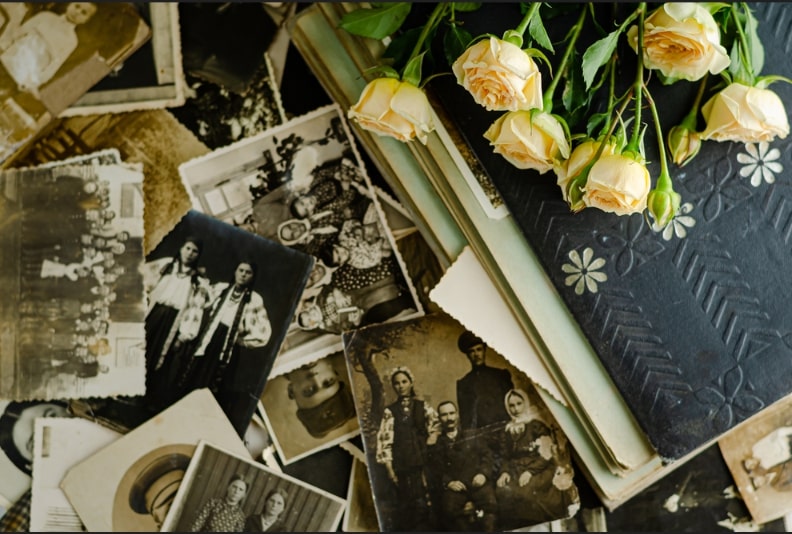
Photo credit: https://depositphotos.com/home.html
GenealogyBank helps researchers uncover and preserve family stories through billions of historical records, newspaper archives, obituaries, and government documents spanning more than 330 years of American history. Built on trusted sources and extensive historical collections, the platform provides the records needed to move beyond names and dates and uncover the experiences that shaped past generations.
This guide outlines a practical, step-by-step process for managing discoveries, creating a repeatable workflow, and keeping important information accessible as your family history research expands. With a reliable organizational framework in place, you can focus more on meaningful discoveries and less on searching for records you have already found.
Why Organization Matters Before You Build a Family History
Successful family history research depends on more than finding records. It depends on being able to locate, compare, and understand those records long after the initial discovery. When documents, photographs, newspaper clippings, and notes are stored without a consistent method, valuable clues can become difficult to revisit or verify.
A well-structured approach helps you spot patterns, identify gaps in evidence, and avoid repeating work. It also makes it easier to connect information gathered from multiple sources, including census documents, newspapers, and family records. As your collection grows, an organized foundation supports greater accuracy, saves time, and allows you to focus on uncovering the stories behind the names rather than searching for information you have already collected.

How to Create a Genealogy Research System
As family history discoveries accumulate, consistency becomes more important than volume. Establishing a repeatable process helps you manage records, evaluate evidence, and track progress without losing important details. A simple workflow also reduces confusion when revisiting research months or years later:
Choose A Consistent Research Workflow
Start each research session with a clear objective, such as verifying a date, identifying a relative, or locating a historical record. Record where information was found and what questions remain unanswered, so that future searches have a defined starting point.
Track Findings with Research Logs
Maintain a running log of searches, sources consulted, and results obtained. Even unsuccessful searches are valuable because they prevent duplicated effort and help narrow the path toward reliable evidence.
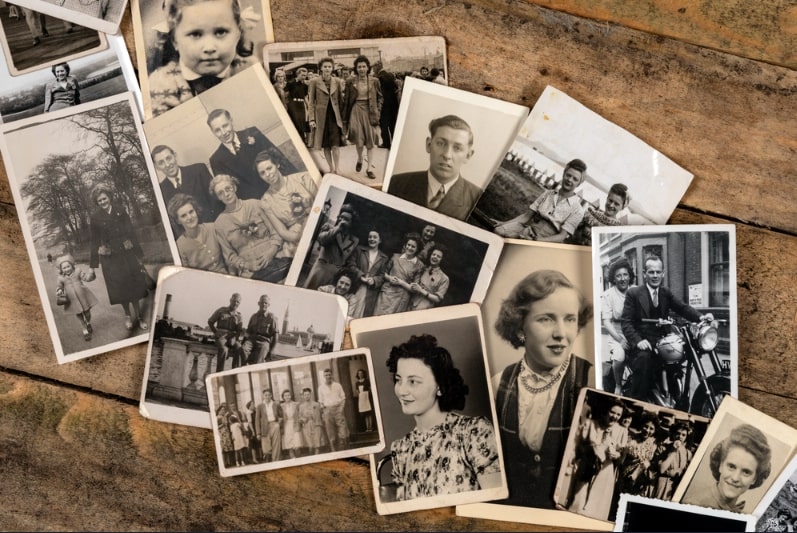
Photo credit: https://depositphotos.com/home.html
How to Organize Genealogy Records
A growing collection of family history materials can quickly become difficult to manage without a consistent structure. Creating dedicated folders for documents, photographs, newspaper findings, correspondence, and research notes makes retrieval much easier. Many researchers choose to organize materials by surname, family branch, or generation, while others prefer a location-based approach.
The best method is the one you can maintain consistently over time. Clear file names, standardized dates, and regular reviews help ensure important discoveries remain accessible and connected to the larger story you are building. Researchers can also strengthen documentation by consulting resources, such as the GenealogyBank blog, while developing effective record-management habits.

Which GenealogyBank Resources Can Simplify Your Research Process?
Building a reliable research process becomes easier when trusted resources are available in one place. GenealogyBank offers access to historical records that help researchers verify facts, uncover personal stories, and connect generations through documented evidence:
- Historical Newspaper Archives – Explore millions of newspaper pages that reveal obituaries, community events, family milestones, and everyday stories that add context to family history.
- Census Records Search – Locate household information, family relationships, occupations, and residential details that help establish timelines and verify connections between generations.
- Family Tree Resources – Access tools and educational materials that support research planning, record interpretation, and family history discovery.
Researchers looking to expand their skills can also benefit from the GenealogyBank Learning Center, which provides educational guidance for navigating historical records and improving research techniques.
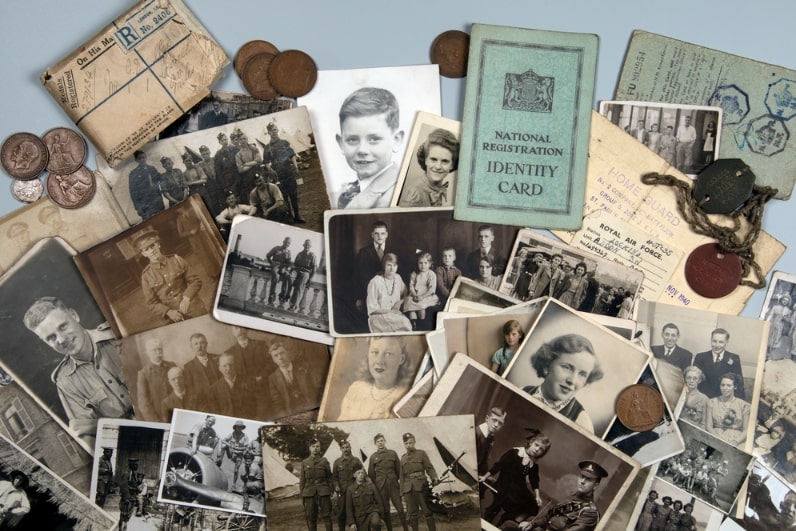
Photo credit: https://depositphotos.com/home.html
How to Build a Genealogy Filing System
A dependable filing structure makes it easier to locate records, verify sources, and preserve research momentum. Whether you maintain physical documents, digital files, or both, a consistent framework helps ensure information remains accessible as your collection expands:
Separate Active and Archived Materials
Keep current projects in a dedicated workspace while moving completed research into long-term storage. This distinction reduces clutter, improves focus, and makes it easier to identify which family lines still require investigation.
Apply Practical Genealogy Research Tips
Use standardized file names, record source details immediately, and schedule periodic reviews of your collection. Small habits practiced consistently can prevent confusion and help maintain accurate documentation over time.

Final Thoughts
Family history research becomes more rewarding when every discovery has a clear place within your collection. A consistent process helps protect valuable information, reduces duplicate work, and makes it easier to connect records across generations. As your research grows, organized documentation creates a stronger foundation for preserving stories and sharing them with future family members.
When you are ready to expand your search, resources such as Search Historical Newspapers, Search Census Records, and Discover Your Family Tree can help uncover new details and historical context. Every record has the potential to reveal a meaningful connection because every life deserves to be remembered.
Frequently Asked Questions About How to Organize Your Genealogy Research: A Step-by-Step System
What is the biggest mistake people make when managing family history projects?
The biggest mistake is saving information without recording where it came from. Missing source details can make it difficult to verify facts later.
How often should family history files be reviewed?
A review every few months is usually enough. Regular checkups help identify duplicates, incomplete records, and missing documentation.
Should paper documents be digitized?
Yes. Digital copies provide backup protection, make sharing easier, and reduce the risk of losing important materials to damage or deterioration.
What file format is best for preserving scanned records?
PDF files work well for documents, while high-resolution JPG or TIFF files are often preferred for photographs and images.
How can family photographs be identified when no labels exist?
Compare photos with known relatives, review dates and locations, and ask family members for context before making conclusions.
Is it better to focus on one family line at a time?
Yes. Concentrating on a single branch often leads to stronger evidence and prevents research from becoming scattered across too many relatives.
How can historical newspapers help fill information gaps?
Newspapers often contain personal details, community events, military service information, and life stories that may not appear in official records.
What should be done when two records contain conflicting information?
Evaluate the reliability of each source, compare supporting evidence, and document both findings until additional records clarify the discrepancy.
How can relatives contribute to a family history project?
They can share photographs, letters, memories, documents, and personal stories that provide context beyond official records.
When should research findings be shared with family members?
Share findings after information has been reasonably verified. This helps ensure that relatives receive accurate and well-supported family history information.
Create a free account at GenealogyBank for 7 days to start your journey and discover the stories your ancestors left behind.
Note on the header image: family photos and genealogy records. Credit: https://depositphotos.com/home.html
